It is one of the most common requests dance instructors hear, often delivered with hopeful enthusiasm:
“We don’t really want to learn steps — we just want to dance. You know… improvise.”
On the surface, it sounds wonderfully romantic. Effortless movement, perfect connection, floating across the floor guided only by the music. Who wouldn’t want that? Here is the delightful paradox of partner dancing: the dancers who appear the most spontaneous are almost always the most well-trained.
Improvisation is not the absence of structure — it is the mastery of it.

Many people imagine improvisation as complete freedom — simply stepping onto the floor and letting instinct take over. While instinct certainly plays a role, it is informed instinct. Skilled dancers are constantly making split-second decisions based on timing, connection, spatial awareness, and musical interpretation.
Think of it like jazz musicians. When a saxophonist launches into a dazzling solo, they are not guessing which notes might sound pleasant. They understand scales, rhythm, phrasing, and harmony so deeply that creativity becomes second nature.
Partner dancing works exactly the same way.
Improvisation is less like “making it up” and more like choosing intelligently from a toolbox you know so well you no longer have to look inside it.
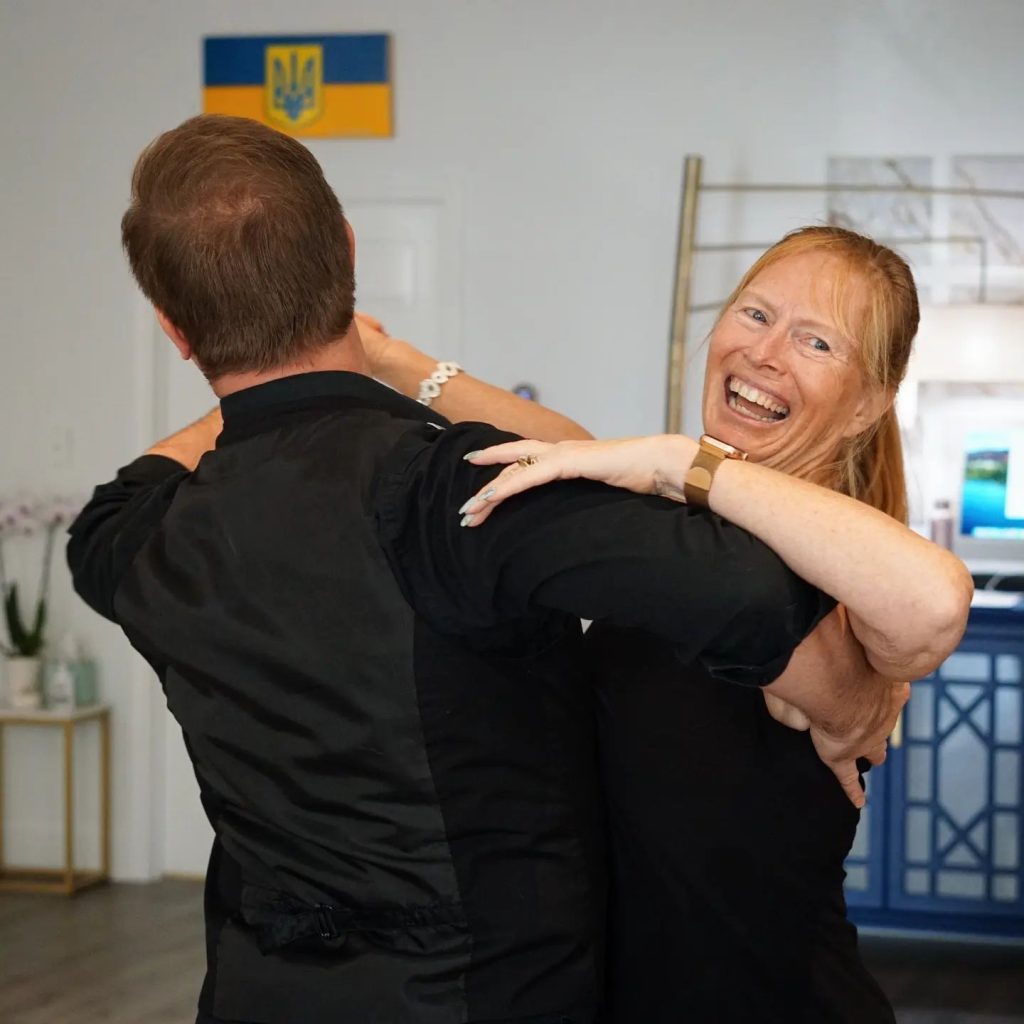
Couples who try to bypass fundamentals usually encounter a few predictable challenges:
Without an understanding of lead-and-follow mechanics, partners begin to rely on anticipation or gentle negotiation — neither of which is particularly reliable at full tempo. This is when dancing can start to feel more like problem-solving than pleasure.
Typically, one person attempts to guide while the other tries to decode subtle signals. Guessing is exhausting. Clear communication is liberating.
Confidence does not come from bravery alone — it comes from competence. When your body knows what to do, your mind relaxes. And relaxed dancers? They are the ones who look natural.
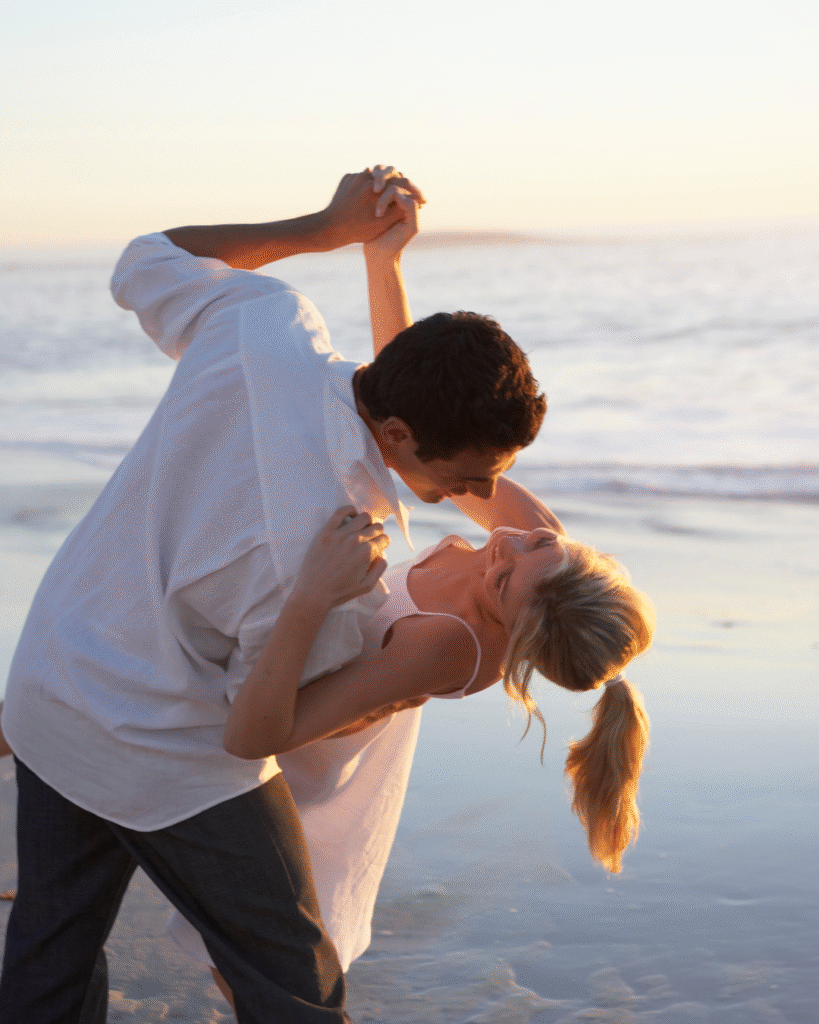
Watch a truly strong couple on the floor and you will notice something fascinating: nothing looks forced.
They are not rummaging through memory for the next move.
They are not silently counting with panic in their eyes.
They are present.
That presence is only possible because the fundamentals have been practiced enough to live in muscle memory. Instead of thinking:
“Step… step… turn… was it left or right?”
Their brain is free to consider:
Improvisation thrives in that mental spaciousness!
Here is some excellent news for aspiring improvisers: freedom does not require an encyclopedia of patterns. In fact, a small, well-understood vocabulary is far more powerful than dozens of half-learned figures.
Strong social dancers rely on:
Once these elements are comfortable, patterns stop feeling like choreography and start behaving like building blocks. You are no longer reciting — you are constructing.
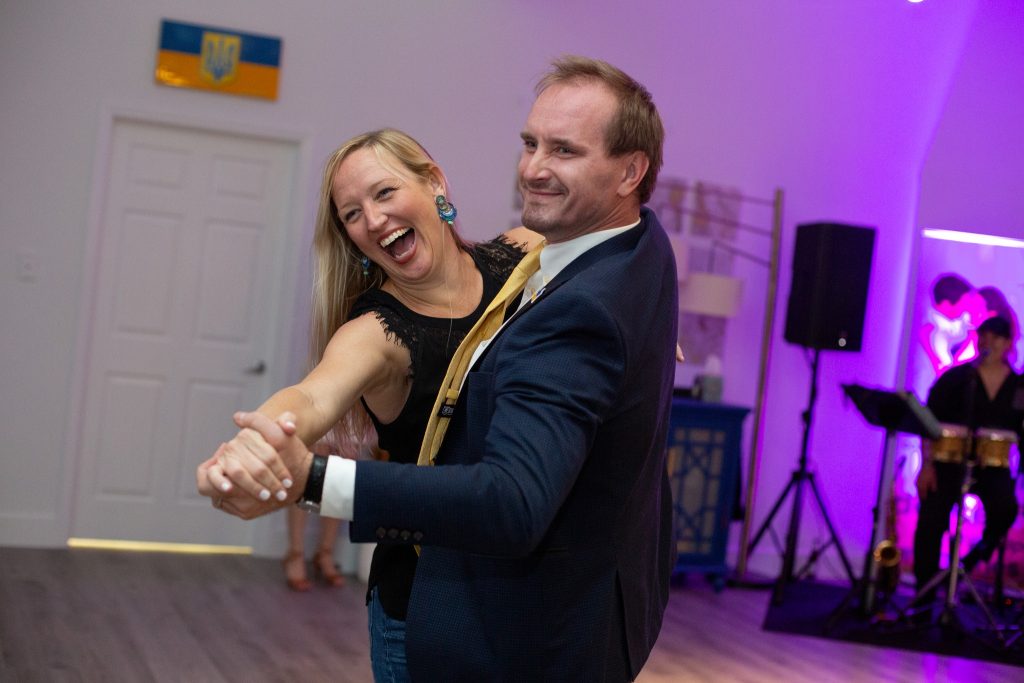
This idea sometimes surprises people, but it appears everywhere once you start looking:
Constraint is not the enemy of creativity — it is the framework that allows creativity to shine. In dancing, structure provides:
And trust is what allows dancers to take risks, try new dynamics, and fully enjoy the moment.
Beyond technique, there is another reason dancers crave spontaneity: it feels personal. When couples move together without obvious planning, the dance becomes less about performance and more about connection; however, connection is difficult to access when your brain is busy troubleshooting footwork. Once the mechanics settle into the background, something shifts.
You start noticing:
This is when dancing stops being an activity and starts becoming an experience.

A thoughtful teaching approach does not trap students inside rigid choreography. Instead, it focuses on giving dancers tools they can use anywhere, with anyone.
Expect lessons to emphasize:
Very quickly, patterns stop feeling like rules and start feeling like options; and options are the birthplace of creativity.
If your dream is to walk onto a dance floor and move effortlessly with your partner, you are aiming for something both beautiful and entirely achievable.
Just remember:
The dancers who look the most spontaneous did not skip the fundamentals — they graduated from them. So rather than avoiding steps, think of them as the quiet allies that make freedom possible. Learn the language, trust the process. and before long, improvisation will no longer feel like something you are trying to do. It will simply be how you dance!