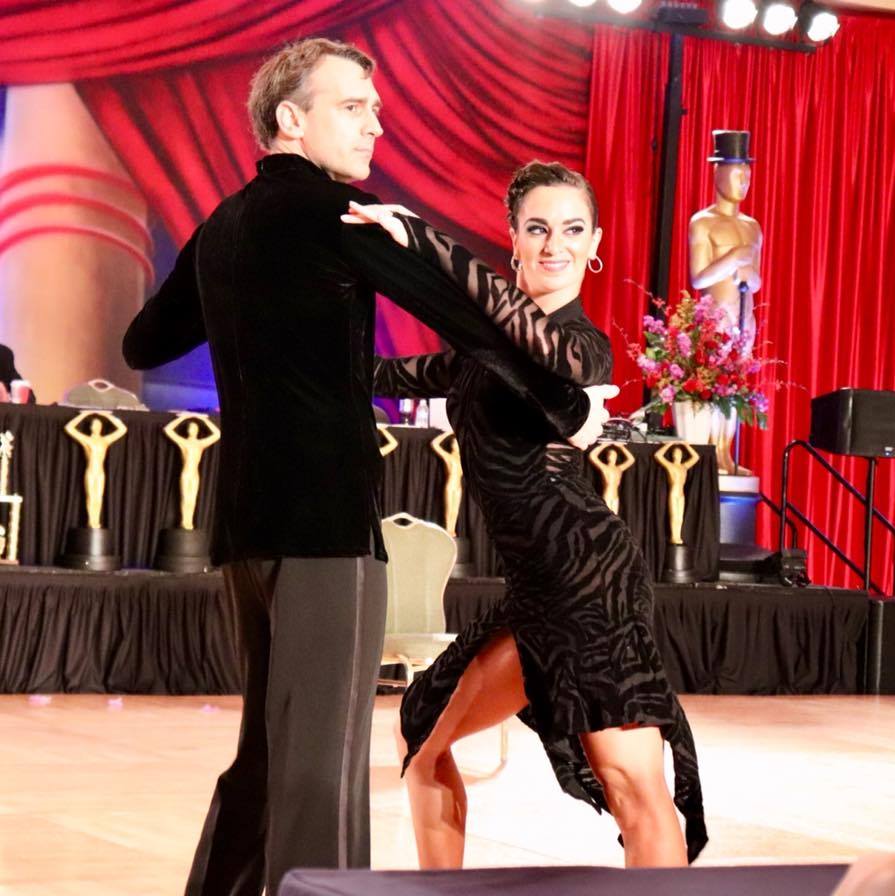
f you’ve been dancing consistently, there’s a moment almost everyone hits:
You’re showing up.
You’re taking lessons.
You know more than you did before…
…but somehow, it feels like you’ve stopped improving.
Welcome to the plateau phase—and no, it doesn’t mean anything is wrong. In fact, it usually means you’re right on the edge of your next breakthrough!
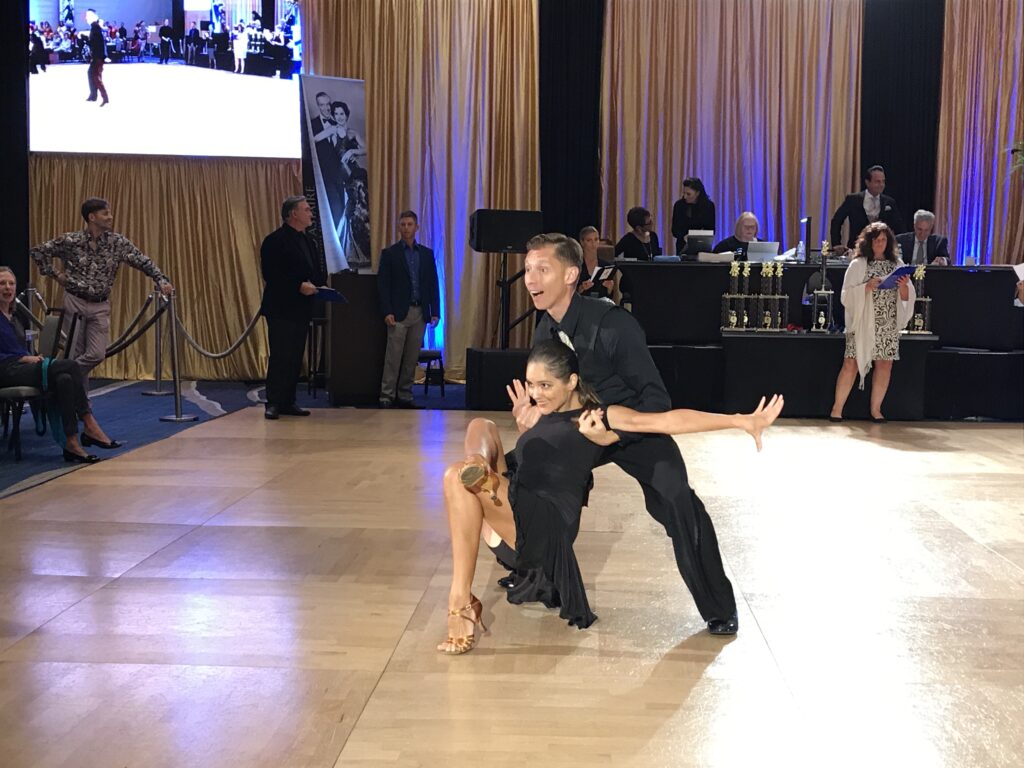
A plateau happens when your progress becomes less obvious. Early on, improvement feels fast—every lesson brings something new. But as your foundation builds, growth becomes more subtle.
This is completely normal in skill-based activities like dance, where progress shifts from learning steps to refining how you move.
In other words:
You’re no longer just learning choreography—you’re developing technique, control, and artistry.
And that takes a different kind of effort.
There are a few common reasons dancers feel stuck:
1. You’ve outgrown “just getting through the steps”
At the beginning, success is remembering patterns. Now, the focus shifts to timing, balance, connection, and body movement—which are far more nuanced.
2. Your awareness has improved
Ironically, the better you get, the more you notice what needs work. It can feel like regression, but it’s actually progress.
3. You’re repeating without refining
Practice alone isn’t enough—intentional practice is what creates change.
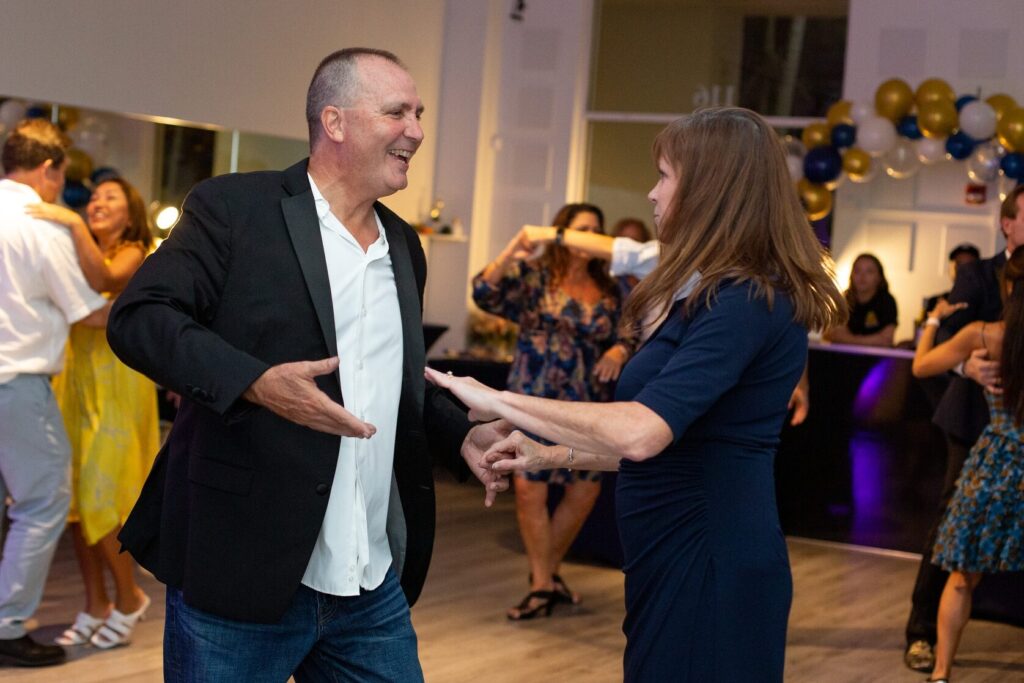
Here’s where things get exciting. A plateau isn’t something to “wait out”—it’s something you can actively move through.
1. Slow Things Down (Yes, Really)
Dancing full speed can hide mistakes. Slowing down forces you to feel balance, timing, and control.
If it feels harder… that’s a good sign.
Instead of trying to “dance better,” choose something specific:
Progress becomes much faster when your focus is clear.
Instead of “How do I do this step?” try:
That shift alone can transform how quickly you improve. *Side note: if you know the patterns on your own, your lesson time will be spent more on refinement than review!
Group classes, social dancing, and different styles all challenge your brain and body in new ways—helping break repetitive patterns.
Whether it’s a showcase, a practice round, or just dancing in front of others—performance reveals things practice hides.
Here’s the part most dancers don’t expect:
Progress at higher levels doesn’t feel like big leaps—it feels like small refinements that suddenly click.

One day, your balance is just… better.
Your turns feel easier.
Your dancing feels more natural.
That’s what you’re building right now.
If your dancing feels stuck, it’s not a sign to slow down—it’s a sign to get more intentional.
This phase is where dancers separate from dabblers. It’s where technique sharpens, confidence deepens, and dancing starts to feel effortless instead of mechanical.
And once you break through?
That’s when the real fun begins.